
A recently circulated photograph is raising significant legal and public questions regarding a police use-of-force incident, particularly surrounding whether the officer involved acted in lawful self-defense at the moment shots were fired.
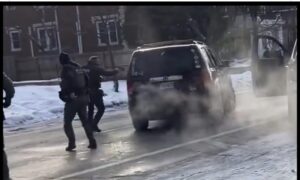
Legal analysts note that while a defense argument may focus on the fact that an officer was still in contact with the vehicle when a firearm was drawn, the critical issue centers on timing—specifically, when the shots were actually fired. According to available information, three shots were discharged during the encounter.
The image appears to show a noticeable distance between the vehicle and the officers at the time some of the shots may have been fired. If accurate, this gap could indicate that the officers were no longer facing a clear and imminent threat, a key legal standard required to justify deadly force.
Experts emphasize that deadly force is only permissible when there is a reasonable belief of immediate danger of serious bodily harm or death. If shots were fired after that danger had subsided, questions arise about whether the use of force exceeded what the law allows.
At the same time, observers caution against drawing conclusions based on a single image or incomplete evidence. Factors such as body camera footage, dashcam video, witness statements, officer perceptions, and the rapidly evolving nature of police encounters must all be examined before any determination is made.
While there has been no official ruling on the officer’s actions, some legal observers argue that the circumstances present sufficient cause for review by a grand jury, allowing an independent body to assess whether criminal charges are warranted. They stress that such a review does not imply guilt, but rather reflects the seriousness of the incident and the need for transparency.
As the investigation continues, calls for accountability are being balanced with reminders of due process. Legal experts reiterate that law enforcement officers are not above the law, and that questions of guilt or innocence are properly decided by a jury after a full and fair examination of the evidence.
Further information is expected as investigators complete their review and authorities determine next steps.


